

Ride With Power

Ride The Rough

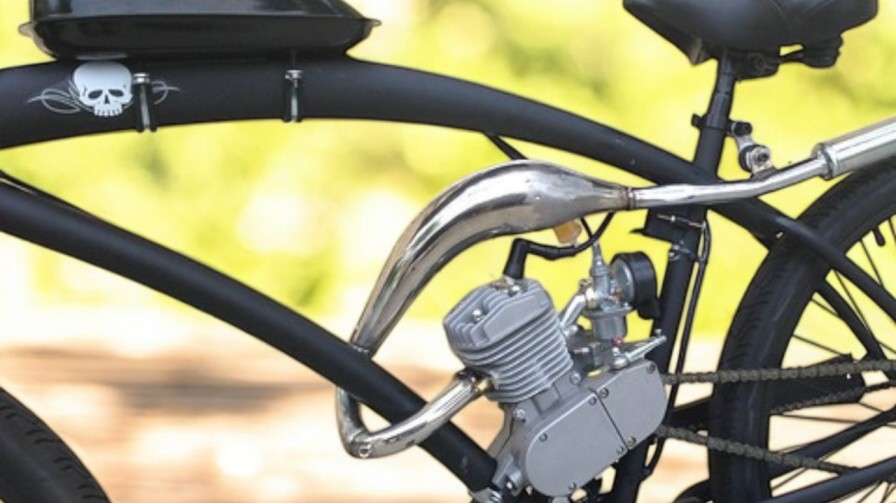
Upgrade Your Journey


Ultimate Bike Guideline
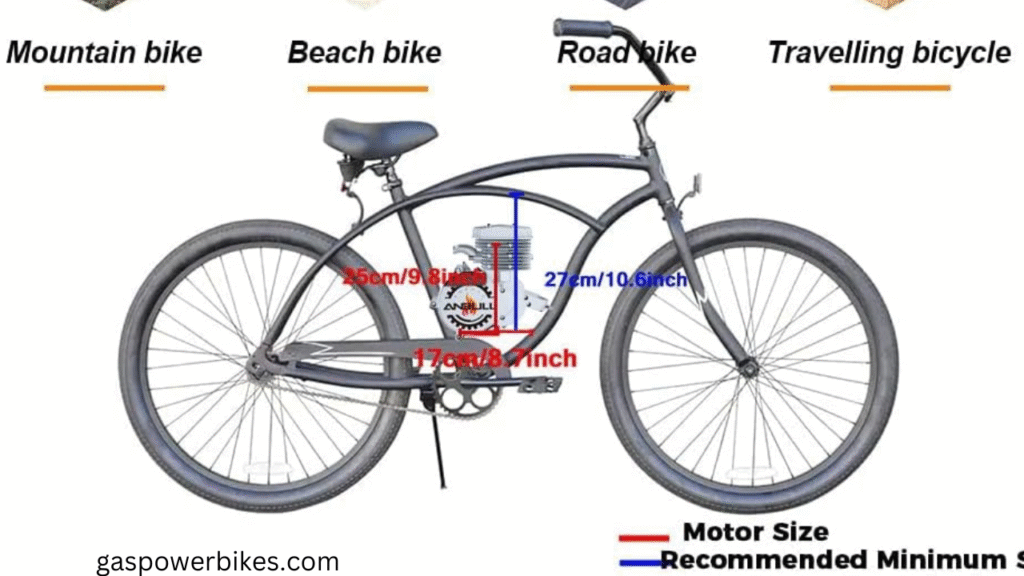
How do you put an engine on a bike( A step-by-step Guide for Beginners)
Installing a gas bike engine is an awesome upgrade to any regular bicycle. Whether you’re interested in more speed, better commuting or just having some fun with a do-it-yourself project, turning your regular bicycle into a motorized bike is simple.
This guide walks you through each step while explaining what you need and why, before supplying the bullet points.
To ensure you start on the right foot, have the required tools in place and get to know the components that will be in your engine kit. This will prevent you from delays and results in a hassle free installation.
These common tools will make the install of your engine nice and easy:
Typically your 80cc engine kit will include all the items you need in order to complete the installation.
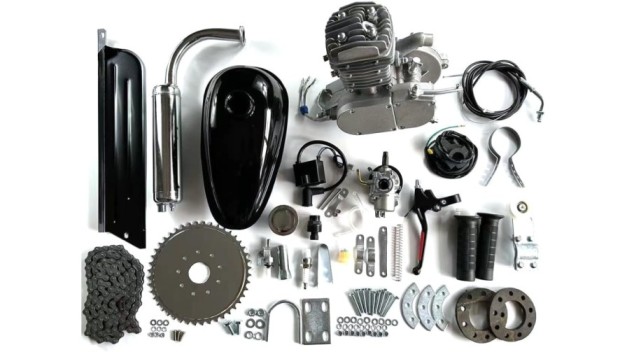
You will need to choose one of the following bikes prior to moving on with engine installation. For proper engine support, a stout frame is required along with adequate space inside that “V.”
Bikes with these types of features are best:
Make sure:
It’s a good fit for the V-frame
You can install the brackets without having to bend the frame
Then the engine must be installed. Application: Proper alignment can keep your chain running smoothly and your engine in a good condition.
You will need to fit the sprocket on the wheel to take power from the engine. No-kink sprocket avoids chain problems.
Chain, which links the wheel to the engine. The appropriate tightness to avoid the tire derailment or noise.
Place a towel in engine and wheel sprocket.JScrollPane: item 4 of all slides Wrap chain around engine and wheel.
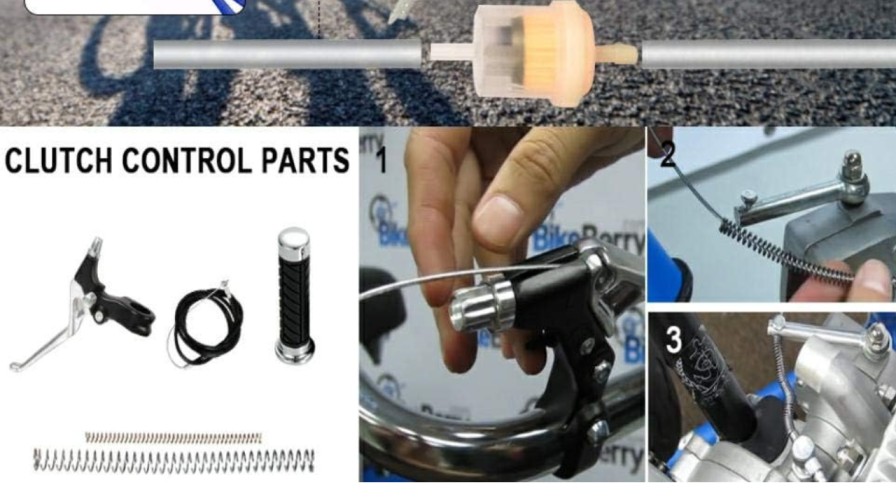
Its speed is controlled by your throttle, its connection to the engine by your clutch. For safe riding both should be installed into place.
The fuel and air are mixed in the carburetor. It will need to be secured properly and found in the right position.
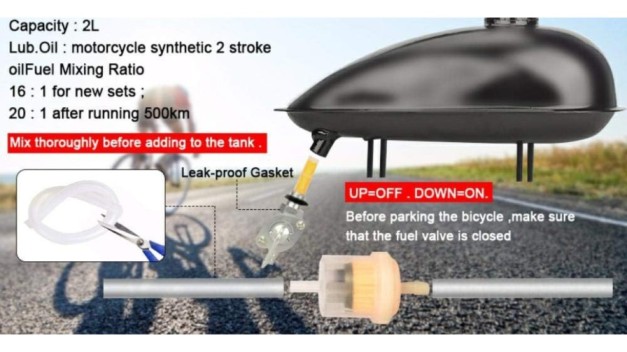
The tank is screwed into place to the top of the bike. Make sure to attach it snugly, with no leaks or jiggles during your ride.
Run the correct 2 stroke fuel mix (20:1 for break in, then 40:1)
The engine is fired by the CDI-coil. A wrong wire and the engine won’t turn on.
CDI Steps
We looped some R&D Umitiated rubber tubing and bolted it together.
The muffler works to decrease exhaust and engine noise.
Before the first ride, please check all aspects of the bike are fitted correctly and easily can be adjusted.
A gas bike engine is very easy to start if you follow a few simple steps.
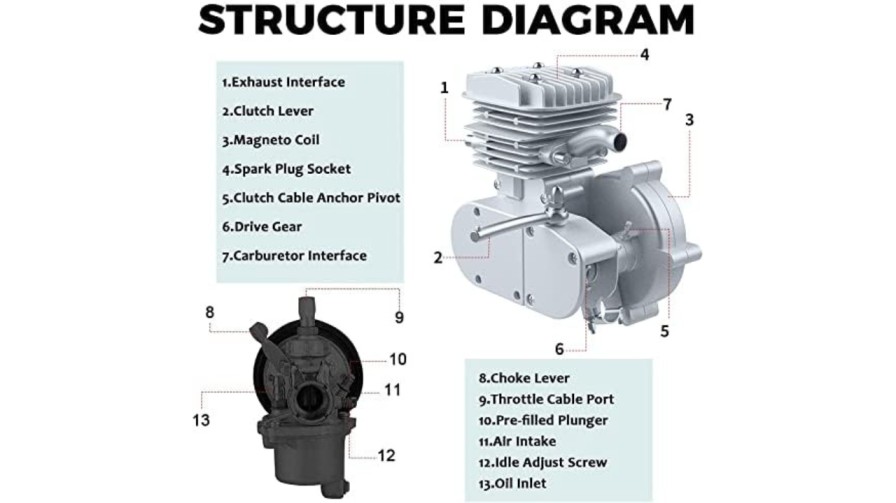
Soft-breaking the engine in, helps increase its life and performance.
Tensioner alignment