

Ride With Power

Ride The Rough

Upgrade Your Journey


Ultimate Bike Guideline
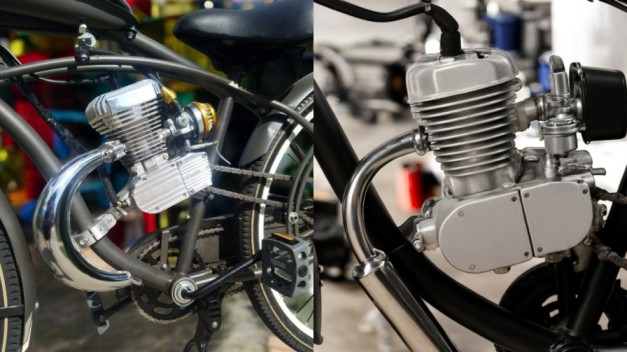
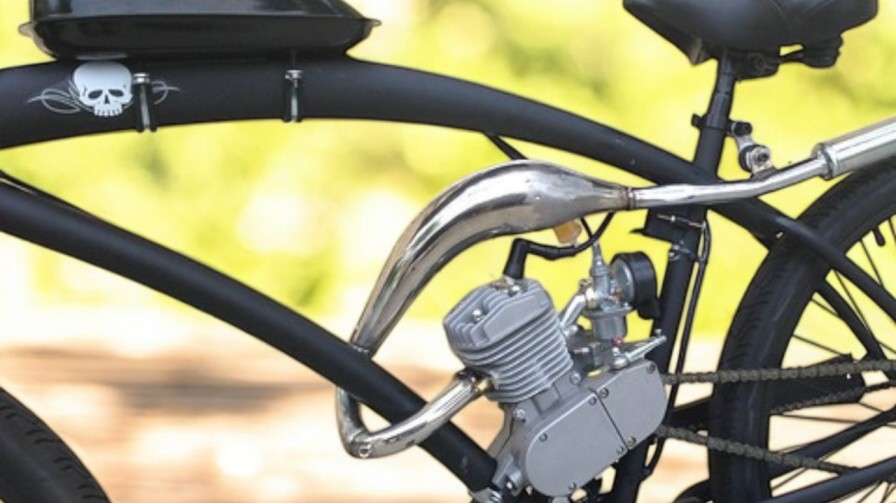
How To Break In An 80cc Motorized Bicycle Engine. One of the most critical steps to long-term performance is breaking in a new 80cc or 100cc gas bike engine.
Most newbies fail to know that a brand-new engine has very tight internal parts, the piston, rings and cylinder walls have not seated in fully.
Run it at full power too soon and you may lose compression, overheat or even seize the engine.
A good break-in results in less friction, more power, better fuel mileage and longer lasting engines.
This guide will walk your through exactly how to break in a new engine the right way, without cutting any corners, and while accepting best practice methods, not outdated racer heresay.
The internal metal parts in your engine are still rough and sharp when the engine is brand new.
They are made to wear over time and as they do, they will match your teeth exactly.
This breaking-in process is known as “seating the rings.” Within a few tanks, the engine requires some mild operation to ensure that these parts can wear in an even manner.
Riding the engine too hard or at a high speed initially can cause the rings to overheat or “glaze,” which will reduce their ability to properly hold compression.
This lowers the compression, slows down acceleration, and uses up more fuel.
A good break-in allows your engine to make all of its power and keep it there, and reduces the chance of premature wear.
The fuel/air mix is not the same in break-in and normal operation.
A 2stroke gas motorbike engine requires oil to be mixed with the fuel premixed to prevent seizing of the piston and cylinder the first few tanks.
For break-in I recommend a 20:1 mix. That is one part of oil to twenty parts of gasoline.
This thicker mix provides coverage to the internal parts and helps prevent heat build-up. Even a leaner 40:1 mix should be used once the break in period is over and youre ready to ride!
Ensure that you are using a good grade two stroke oil. Cheap oil burns dirty, and it might clog your carburetor or decrease engine life.
The first tank of gas is the most fragile time. The motor should be handled extremely delicate.
Never jump to full acceleration when beginning to ride. Instead, let it idle at a slow speed and warm up gradually.
You just want the engine to “idle” smoothly at low and medium speeds. Ride for brief periods (10 to 15 minutes at a time), giving the engine plenty of downtime between starts.
You will hear that the engine is running roughly, noisily or weakly.
This is completely normal. Internally, the parts are still settling and smoothing out.
Stay off steep hills and avoid riding with a heavy load. Don’t overrev the engine, it needs to breathe and warm up on its own.
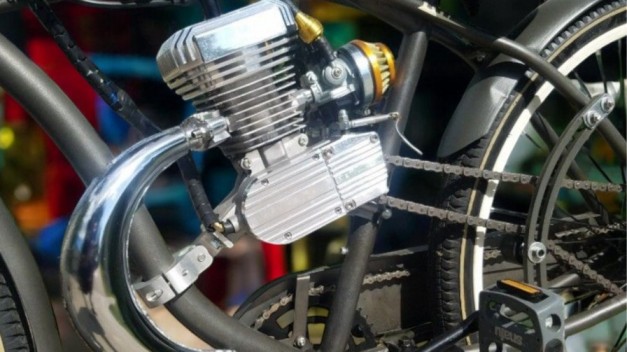
When you are done with the first tank, the motor will feel a bit smoother.
The second tank is utilized for the purpose of extending riding time and beginning to add speed variations. While you should be varying speed constantly.
For instance ride for a few minutes at low speed, then another minute or two at medium speed and slow down again.
This difference helps to evenly seat the piston rings around the cylinder. It is not advisable to maintain a constant speed as this will cause uneven wear on the ring surface.
Now the engine should still not be opened up or run hard. A moderate amount of throttle is fine, however keep high RPM and extended rides to a minimum. The engine itself is still and a very young stage of adaption.
In the third tank, you can even start introducing some gas at the slightly faster end.
You should now notice the engine to be smoother and the throttle response more consistent.
However, despite the increased power output, full-throttle operation is also not recommended.
You can ride longer periods of time when doing this tank, but do not forget to change your speed from time to time.
You can still use about 60-70% of the gas, but only in small bursts. Don’t go on long, steep runs and don’t hold the throttle wide open.
This is where engine establishes its permanent sealing property. A cautious third tank is going to give your engine a much longer life.
The engine should be making less rattling noises as the break-in continues.
It will feel more responsive and the bike will start being pulled harder. Vibration would be weakened and the speed of idle will be slowed down.
An engine that was properly broken in will also be easier to start, run cooler and produce better compression.
Make the break-in incorrectly and you might experience overheating, poor acceleration, or a stinky fuel odor at the pipe.
Misinformation Many new riders screw up (yes, it’s a technical term) their engine when breaking it in by making one of several common mistakes.
The most common is coming on the throttle too quickly. Another error in judgement is traveling long miles without allowing a break for the engine.
The engine should not be loaded until rings are fully seated.
Some novices also run a lean fuel mixture during break-in with the belief it might gain power. This is bad because the engine requires more oil in its early life.
Anther common mistake is trying to tune the carburetor during break-in. Just leave the carb settings alone mostly,at least till the engine is broke in.
Like a baby learning to walk, a new engine might be a bit shaky at first, and this is perfectly normal: tuning too early can ruin the process.
After you gone through the three tanks of break-in fuel you move on to normal riding and a 40:1 gas/oil mix.
Now the rings should be seated and everything should feel more smooth and solid by now.
Now you can ride out farther and use more throttle, while still not doing your best to keep the bike at full-throttle for two-hours.
If the engine is already broken in to your liking, you can’t make it run any faster nor provide better get up and go when hot lapping.
After break in you can also optionally tune your carb for performance and build-out with better accessories like the performance carb, high flow air filter or expansion chamber to fully realize your engines potential.
Breaking in a new gas bike engine is not difficult as long as you are patient and careful.
A gradual break-in will allow all moving parts to wear in evenly for maximum power, smooth running and long life.
The outcome is that if you do the steps outlined in this guide, your engine will be stronger and last longer than one that’s pushed through the process or not cared for properly.